



You’ve chosen a terrific way of integrating images and text into your website. Move the image anywhere you want in this container and the text will automatically wrap around it. You can display events team members new products and more easily and creatively. To start add an image from the Image Picker and edit it as you would edit any image in the system. For example you can link the image to existing pages in your site a website URL a popup or an anchor. After you’ve chosen the image add your text. You can add text that describes the image you’ve selected or simply use the image for decorative purposes. \nYou’ve chosen a terrific way of integrating images and text into your website. Move the image anywhere you want in this container and the text will automatically wrap around it. You can display events team members new products more easily and creatively. To start add an image from the Image Picker and edit it as you would edit any image in the system. For example you can link the image to existing pages in your site a website URL a popup or an anchor. After you’ve chosen the image add your text. You can add text that describes the image you’ve selected or simply use the image for decorative purposes.


This is paragraph text. Click it or hit the Manage Text button to change the font, color, size, format, and more. To set up site-wide paragraph and title styles, go to Site Theme.
Add your custom HTML here
Add your custom HTML here(843) 236-7142
Add your custom HTML here
Why Myrtle Beach Homeowners Face Unique Plumbing Challenges and How a Licensed Plumbing Contractor Helps
September 7, 2026
Living on the South Carolina coast gives homeowners a lot to love, but it also creates plumbing conditions that simply do not exist in inland communities. This article covers the top environmental and regulatory challenges that affect plumbing systems in Myrtle Beach, SC, and explains how working with a licensed Plumbing Contractor can protect your home and your wallet.
How Coastal Soil and Salt Air Damage Myrtle Beach Plumbing Systems
Sandy, salty soil and humid coastal air can shorten the life of a plumbing system faster than most homeowners realize. The clay and sandy coastal soil in the Myrtle Beach area shifts and settles over time, putting stress on pipes in crawl-space and slab foundations. When soil moves, underground pipes can crack, misalign, or develop low spots where blockages form.
Above ground, salt air is its own problem. Chlorides in coastal air penetrate protective layers and attack metal pipes beneath, accelerating corrosion. This is especially true in established neighborhoods like The Dunes and Grande Dunes, where older homes may still have galvanized or copper lines exposed to decades of salt-laden breezes. Corroded pipes create uneven water pressure throughout the home. If your shower pressure seems weaker than it used to be, or if you notice discolored water at the tap, corrosion may already be at work.
Why High Humidity Creates Hidden Plumbing Problems
Humidity in Myrtle Beach, SC, is not just uncomfortable for people. It can be quietly destructive for plumbing systems year-round. High humidity accelerates corrosion on older metal pipes and fittings, leading to pinhole leaks and reduced water pressure. Moisture in crawl spaces is a particular concern, since poor ventilation combined with humidity can degrade pipe connections and encourage mold growth.
Condensation can still form on cold supply lines during hot, humid summers even in slab-foundation homes, feeding rust, mold, and slow leaks behind walls. A licensed plumbing contractor can inspect crawl spaces and pipe runs for early signs of moisture damage before those issues become expensive repairs.
South Carolina Permit and License Requirements You Should Know
Every Myrtle Beach homeowner should understand the basics of SC plumbing law before hiring anyone. The South Carolina Department of Labor, Licensing and Regulation (LLR) oversees two licensing bodies: the Contractor's Licensing Board for commercial work and the Residential Builders Commission for residential plumbers.
The Residential Specialty Plumbing Contractor license is required for anyone performing residential installations and repairs that exceed $200. A permit is generally required before work commences, with minor leak repairs typically being an exception. For larger jobs, including water heater replacements, pipe re-routing, or new fixture installations, a permit must be pulled and work must pass inspection. Unlicensed work can result in failed inspections, voided homeowner's insurance claims, and complications when selling your property.
How Do I Verify a Plumber's License in South Carolina?
You can verify any contractor's license status through the SC LLR website license lookup tool using the contractor's name or license number before agreeing to any work.
What Should I Expect From a Warranty on Plumbing Work?
A reputable plumbing contractor will stand behind completed work with a warranty on both parts and labor. Before work begins, ask the contractor to confirm warranty terms in writing, including how long coverage lasts and what it includes.
Does the Type of Pipe Material Matter in a Coastal Climate?
Yes, significantly. Salt corrosion-resistant fixtures and pipe materials can extend the life of plumbing installations in homes close to the ocean. A licensed contractor familiar with the Grand Strand area can recommend materials suited to local soil and humidity conditions, which may save considerable money on repairs over time.
What a Licensed Plumbing Contractor Does That Unlicensed Workers Cannot
A licensed plumbing contractor in Myrtle Beach, SC, brings more than just tools to the job. Only a properly licensed contractor can legally pull permits for permit-required work, since local building officials verify licensure before issuing them. Licensed contractors also carry general liability insurance and may be required to post a surety bond, protections that safeguard consumers against faulty work.
Local knowledge matters too. Contractors familiar with Horry County building codes and the coastal climate can ensure your project is completed safely and in compliance with current regulations. Whether you own a condo near the oceanfront or a single-family home in Grande Dunes, the right contractor will tailor solutions to your property's specific exposure to coastal conditions.
Ready to Protect Your Myrtle Beach Home? Talk to a Licensed Contractor Today
The coastal environment in Myrtle Beach, SC, is genuinely harder on plumbing systems than most homeowners expect. Sandy soil, salt air, high humidity, and strict state licensing requirements all make it essential to hire someone with the credentials and local experience to do the job right. Four Star Plumbing & Air Conditioning serves Myrtle Beach, SC, and the surrounding Grand Strand as a licensed plumbing contractor with a warranty on all plumbing work, 24/7 emergency availability, and a team that answers every call directly with no answering service.
Visit the plumbing services page to learn more about what is covered, or contact the team to schedule a consultation. Call (843) 236-7142 any time to speak with someone now.
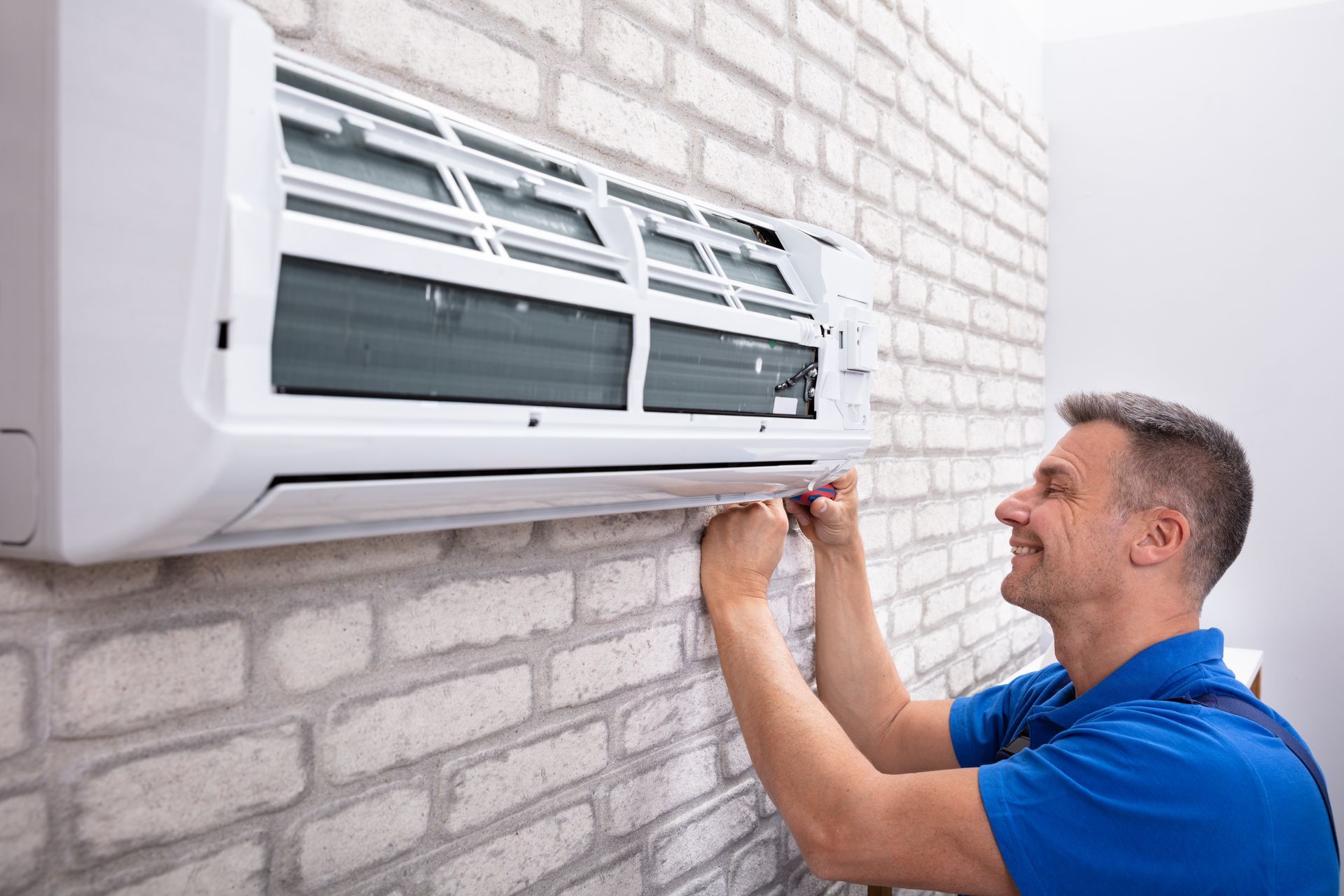
Get expert AC repair in Myrtle Beach, SC from Four Star Plumbing & Air Conditioning. Beat the summer heat with 24/7 service. Call today!
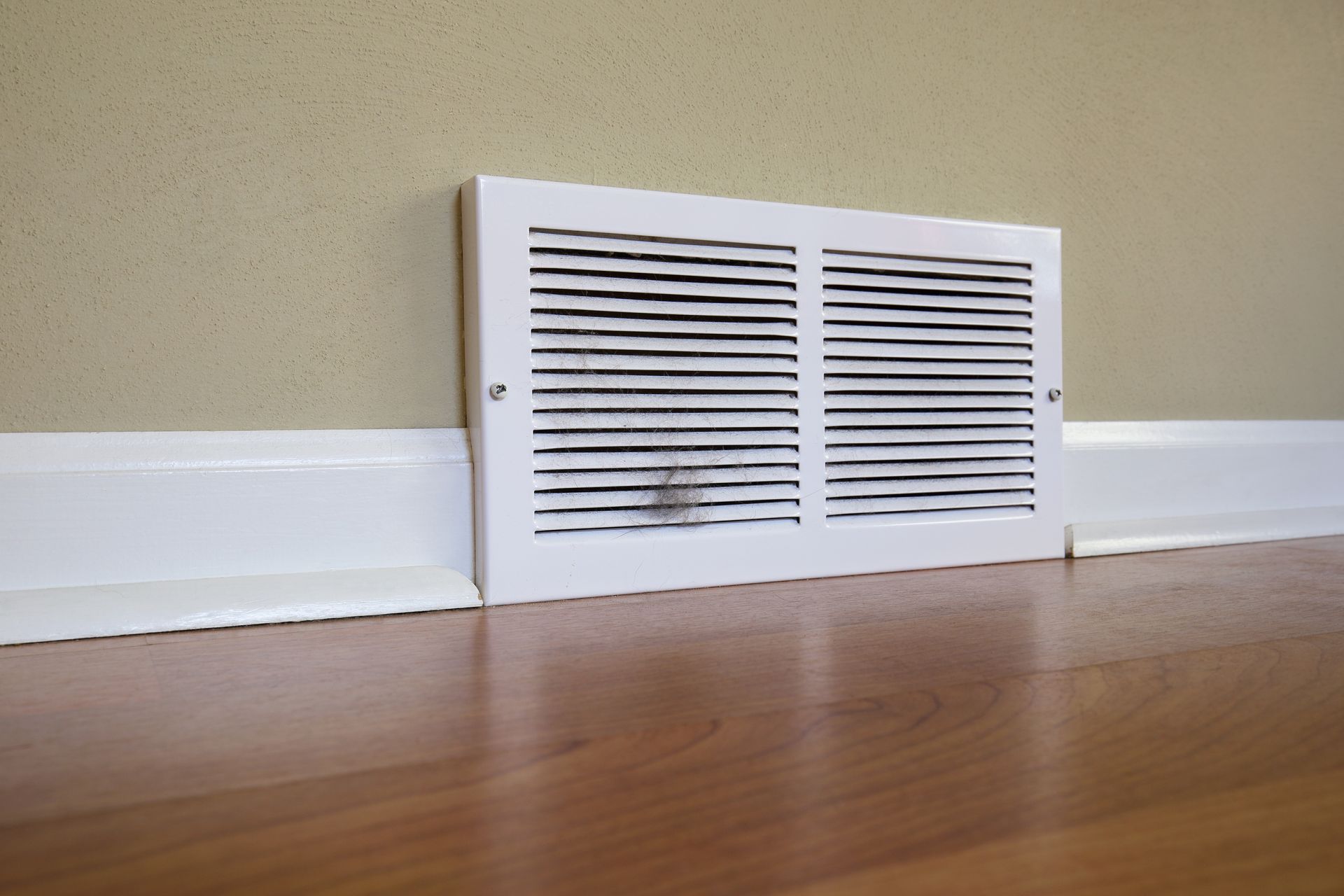
Learn how duct cleaning in Myrtle Beach, SC, improves air quality and HVAC efficiency. Four Star Plumbing & Air Conditioning can help. Call today!
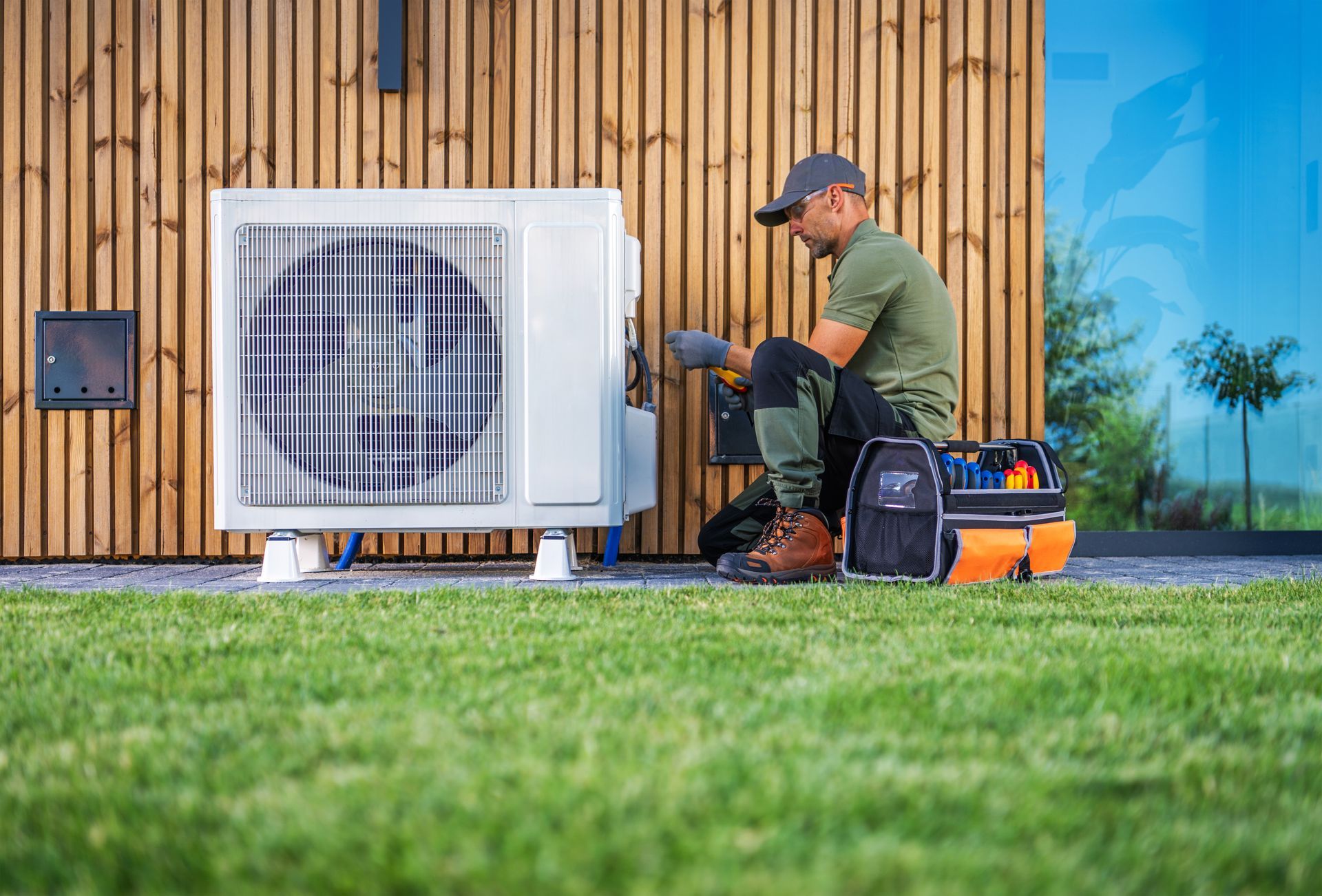
Protect your coastal home with expert AC repair tips for North Myrtle Beach, SC. Four Star Plumbing & Air Conditioning offers 24/7 service. Call us today!
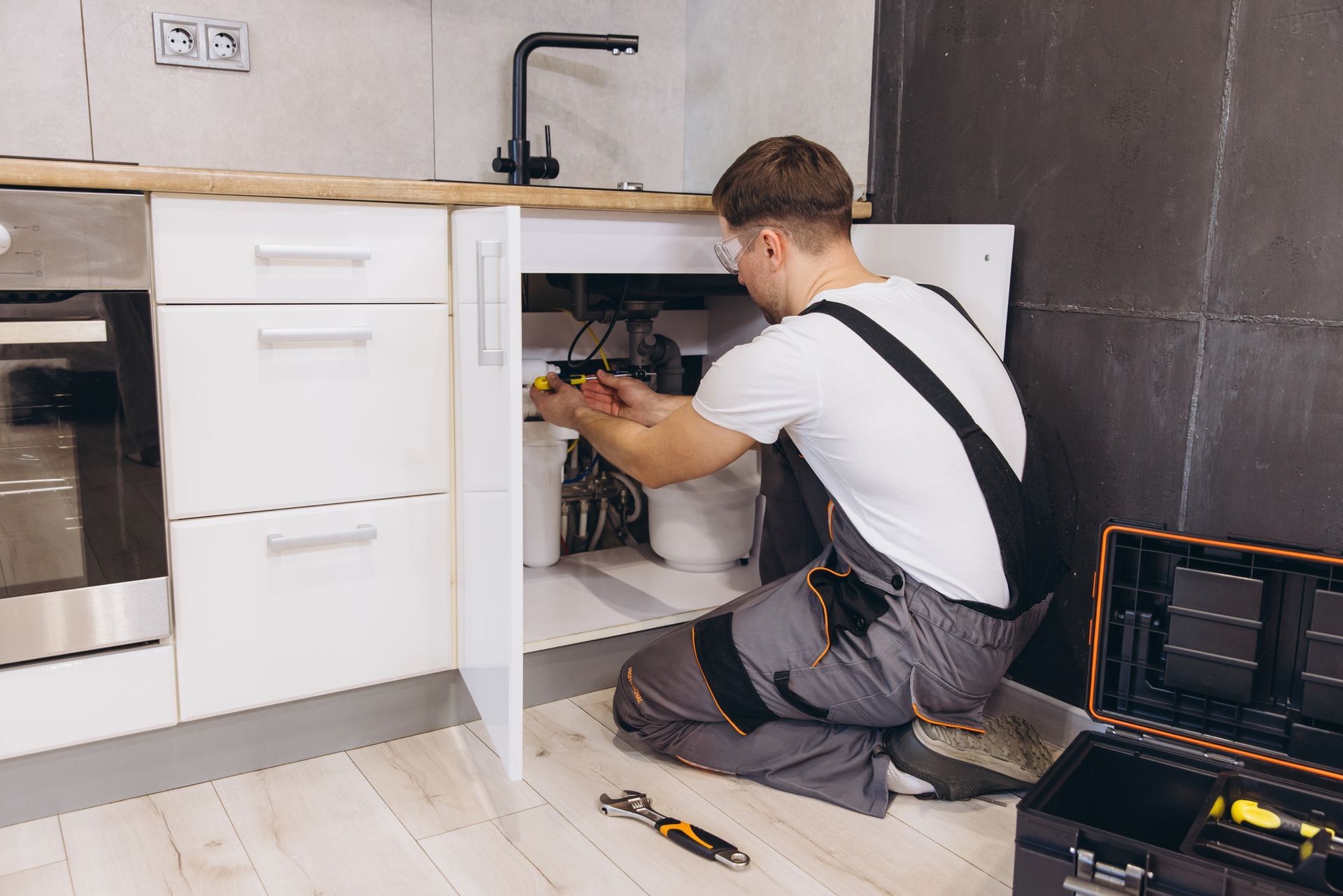
Four Star Plumbing offers an expert plumbing contractor to prevent costly repairs. Visit our website for more info.
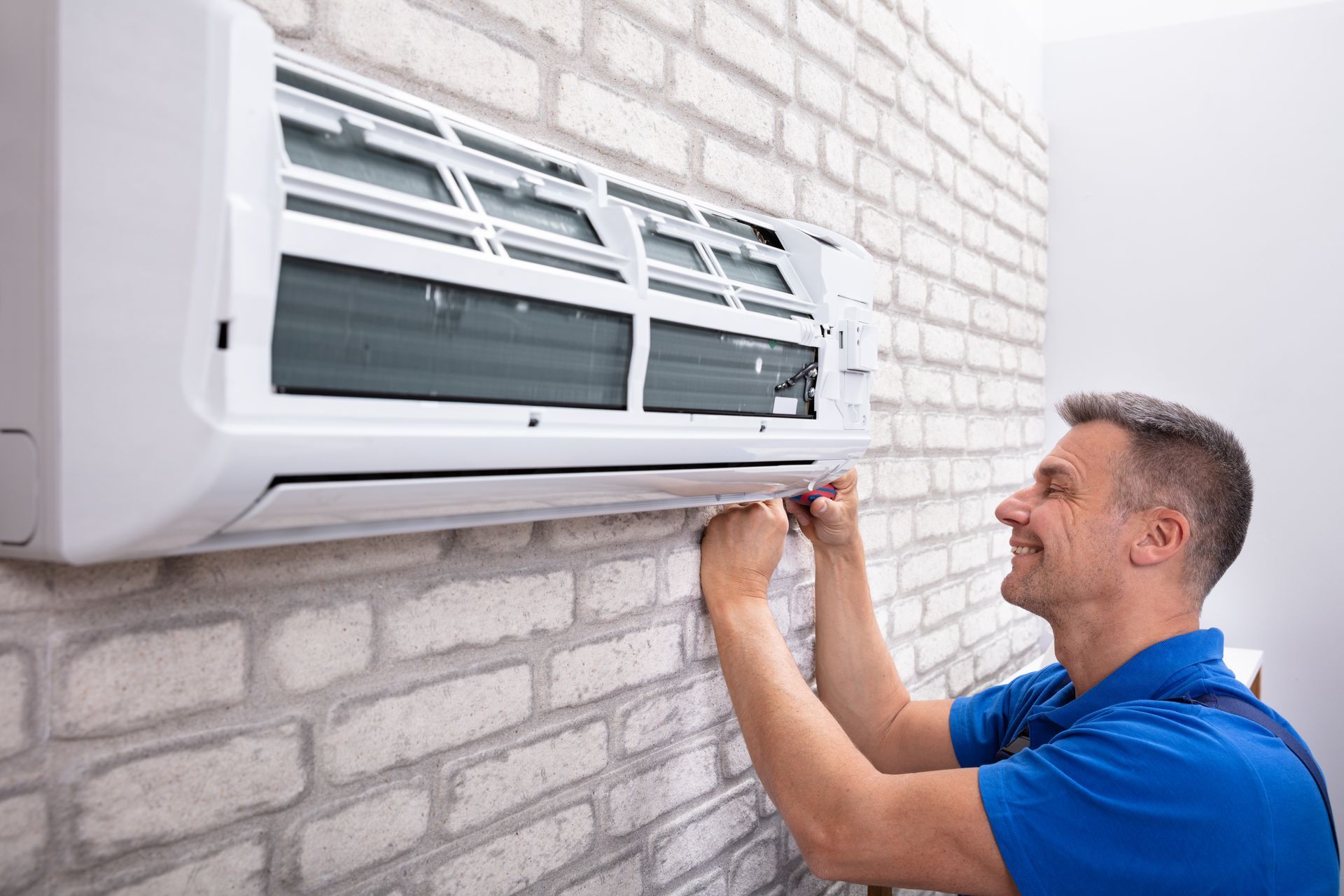
Need an air conditioning repair company in North Myrtle Beach, SC? Four Star Plumbing & Air Conditioning offers quality service. Schedule your appointment!
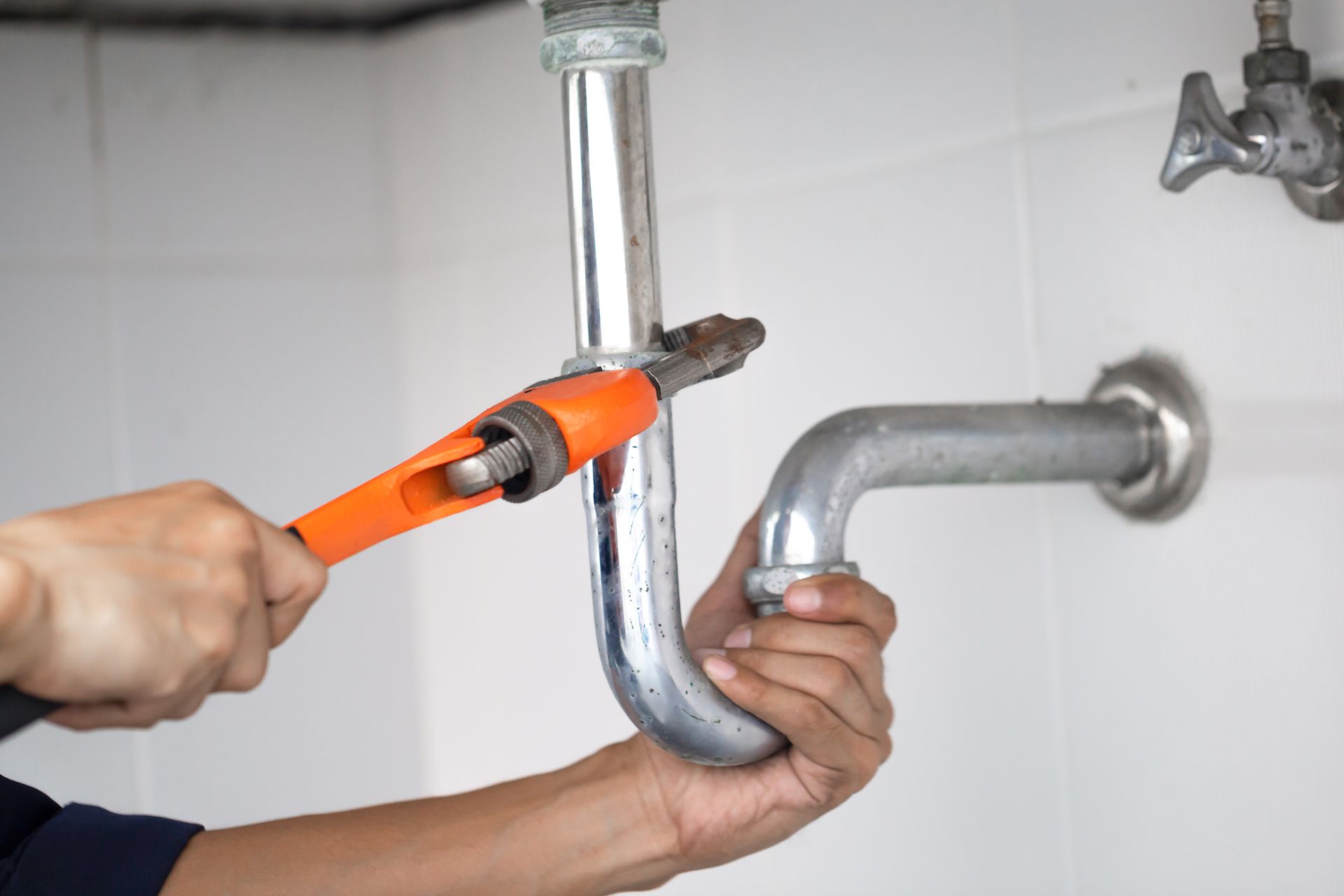
Safeguard your Myrtle Beach, SC, home with Four Star Plumbing & Air Conditioning. Hire a plumbing installation contractor. Call (843) 461-4389 today!
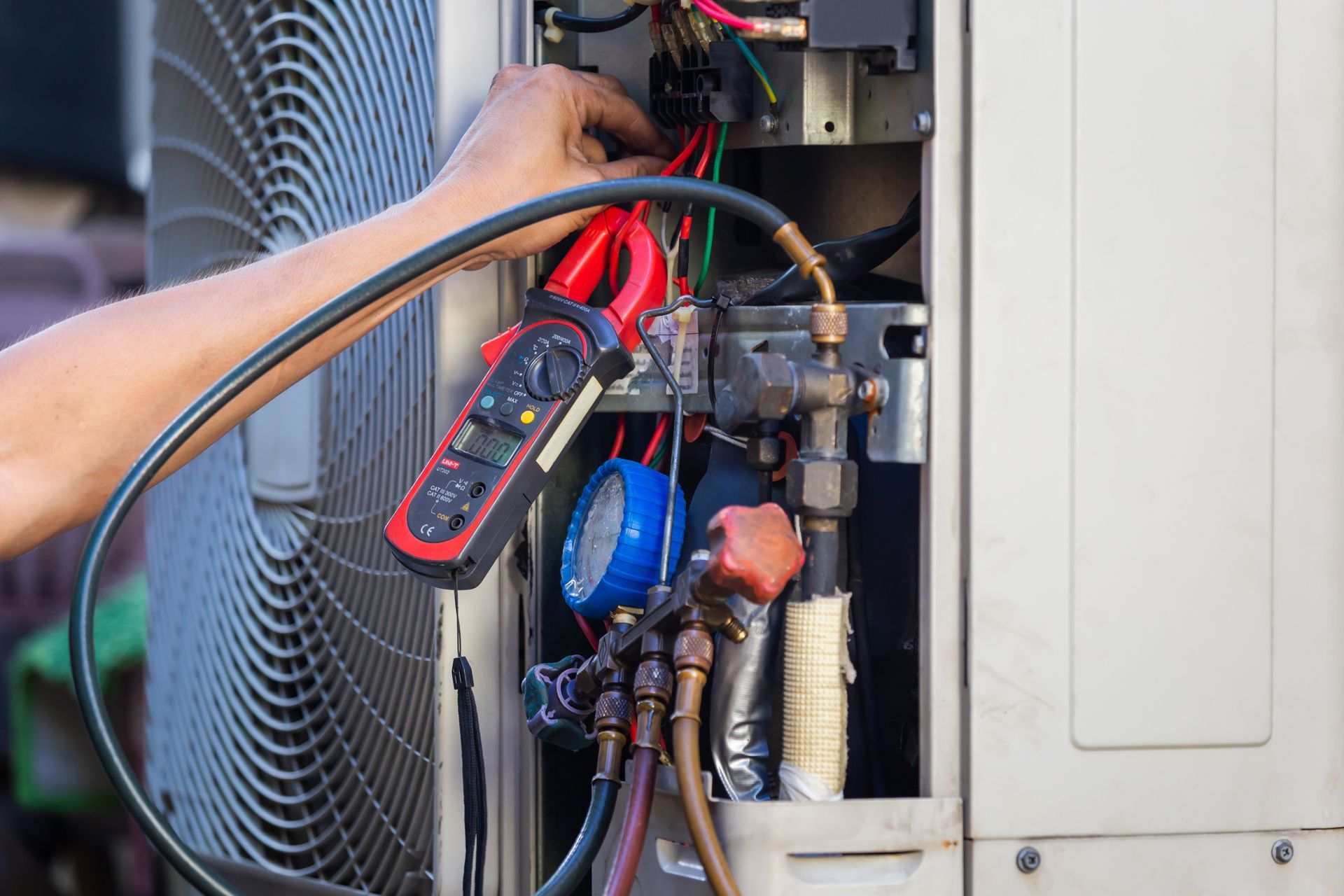
Choose a trusted AC repair company in Myrtle Beach, SC. Four Star Plumbing & Air Conditioning delivers reliable comfort. Call (843) 461-4389 today.
Protect your home with Four Star Plumbing & Air Conditioning, the trusted plumbing contractor in North Myrtle Beach, SC. Call (843) 461-4389 to learn more!